Letter
Remembering Well: A Season of Light, Loss and Hope
A season of remembering is coming, from All Hallows' Eve to Remembrance Sunday. I reflect on honouring those we have lost, and on the comfort and hope God offers.
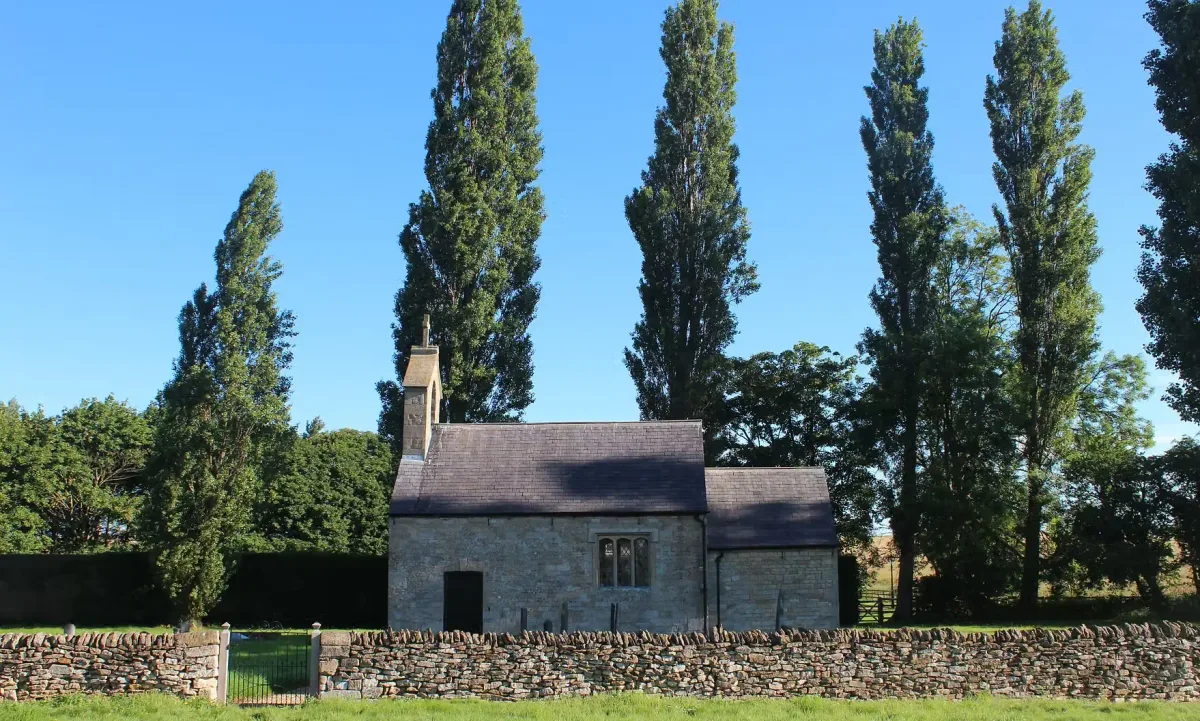
I'm in the midst of a period of giving thanks to God for his protection and blessing over the harvest this year, with services in nearly every village and collections of food for those who need it most. I'm pausing to look ahead to the end of October and to November - a season of remembering, including All Hallows' Eve, All Saints' Day, All Souls' Day, Baby Loss Awareness Week, Remembrance Sunday and Armistice Day.
At the end of October, while everyone is lighting pumpkin lamps and dressing up in scary costumes, the church is marking All Hallows' Eve. An evening of prayer and preparation before the two holy days that honour the friends, family, and heroic saints who have died and are now part of the cloud of witnesses spoken of in Hebrews 12:1, cheering us on from heaven as we run our life's race. All Hallows' Eve is similar to Christmas Eve in that we are excited for the holy day that follows. It has fallen out of the Christian calendar a little as the traditions of the Celtic festival of Samhain have been popularised once again. The Gaels believed that, beginning at dusk on October 31, the boundary between life and death was thinner and the spirits of the dead could haunt them. So they wore costumes and lit bonfires to scare off evil spirits. The church, instead, celebrates the holy and wonderful lives of those who have died, looking forward to All Saints' Day. Folkingham St Andrew's will be open and candlelit for All Hallows' Evening, and you are welcome to walk through the churchyard, to think about the lives of all those buried there, and see that it really isn't that scary a place even on 31 October.
We celebrate All Saints' Day in our Sunday services on 1 November, 10:30am at Billingborough and 5pm at Threekingham (where each month we pray for healing for those who are unwell). It seems wonderful to me that - as we are celebrating the lives of the saints, some of whom showed great faith serving and loving others like Jesus, to whom they devoted themselves, and healing people in Jesus' name - we too should be praying for healing.
On All Souls' Day, 2 November, our thoughts turn to all those who have died whom we love, and we miss. There will be a service in Billingborough, St Andrew's, in the evening, where the names will be read out of those whom we want to remember, and boards will display the names of all those whose families send them to be included. The service both gives thanks to God for the lives of those we are remembering and prays for all of us as we miss them and need God's comfort. Candles are lit, and this simple physical act is a visible symbol that those who have died and are seen no more are alive in the presence of God.
Also in October is Baby Loss Awareness Week, a time to remember those little ones who died before, or just after they were born. It's a week to weep as we think about the babies we had hoped for, those who were too unwell to be born or to live in this world, and the lives that could have been. It's also a time to be reassured that they are held in God's care, enjoying life in eternity. If you have been touched by the impact of baby loss, you can join in the wave of light by lighting a candle in your window at 7pm on the 15 October, and you are welcome during the week of 9-15 October to come into your village church to pray. You can light a candle and leave a memory message at Folkingham St Andrew's or Threekingham St Peter's.
In November, Remembrance Sunday is a time to honour those who died in the pursuit of peace and to free their fellow human beings from oppression, aggression, and injustice. It is not a time to glorify war; anyone who has served will tell you that there is no glory in it, but it is a time to be thankful to those who were willing to engage in it on our behalf and to pray: that God would show us how to live in peace with one another; that God would raise up leaders who serve the people over whom they rule; that God would turn the hearts of those in leadership to His goodness.
The very word remember is a compound of 're' which means again and 'member' which comes from the Latin 'memorari' to be mindful. The word member also makes me think of parts of the body 'members'; so not only does it make me think of the idea of calling something to mind but also of putting the flesh back on the bones, metaphorically speaking.
For Armistice Day a wreath is laid: circular to symbolise eternal life and unbroken remembrance; the red colour brings to mind death and bloodshed; the poppies - a resilient flower, the first to blossom again on the fields in Flanders that had been ravaged by war - are a reminder of new life; the act of laying it together and in a public service emphasises its importance to our society.
Jesus gave Christians an activity to keep alive his memory when he was gone from their sight. This activity is the blessing and sharing of bread and wine. Participating in this when Christians gather is called Holy Communion. Communion because it brings us together with one another and Holy because it is blessed by God and brings us closer to him. It's also called Eucharist, from the Greek word for thanksgiving, because it is a celebration of the life, death, resurrection and the hope of the promised return of Jesus to make all things new and all things right. The bread and the wine are layered with symbolic meaning but it is the act of participating and God's action in changing us through it that makes it such an important 'Remembering'.
Whatever you do to remember, and whoever you remember in this coming season, you can be assured that God knows and loves everyone he has made. If you ask him to, he will bring you his comfort, his peace and the same life-changing hope that lifts all those who meet Jesus.
Blessings,
Rebecca
Reply to Revd. Rebecca Rock.